Our championship therapist Nuttha is guest-appearing in Kalgoorlie 15-25 June. We're still open - book anytime. Nuttha returns 26 June.
Our championship therapist Nuttha is guest-appearing in Kalgoorlie 15-25 June. We're still open - book anytime. Nuttha returns 26 June.
OUR SERVICES
Discover massage treatments designed to relieve pain, reduce tension, and restore balance to your body. Our experienced therapists offer everything from deep remedial therapy to gentle relaxation techniques. Each session is tailored to your individual needs to help you move freely and feel your best.
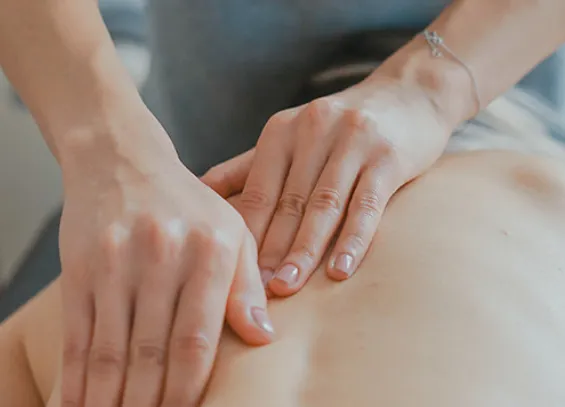
Remedial Massage
Purpose:
To treat specific injuries, pain, or dysfunction.
Techniques:
Involves deep tissue work, trigger point therapy, myofascial release, and joint mobilization.
Benefits:
Targets the root cause of muscle pain or injury, alleviating chronic conditions and improving mobility.
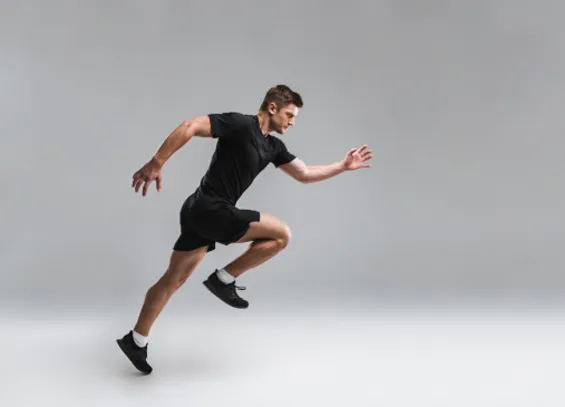
Sports Massage
Purpose:
To prevent or treat injuries related to physical activity and enhance athletic performance.
Techniques:
A combination of techniques like deep tissue massage, stretching, and compression. May be done before, during, or after exercise.
Benefits:
Reduces muscle soreness, enhances flexibility, and promotes faster recovery. It’s particularly useful for athletes or individuals with active lifestyles.
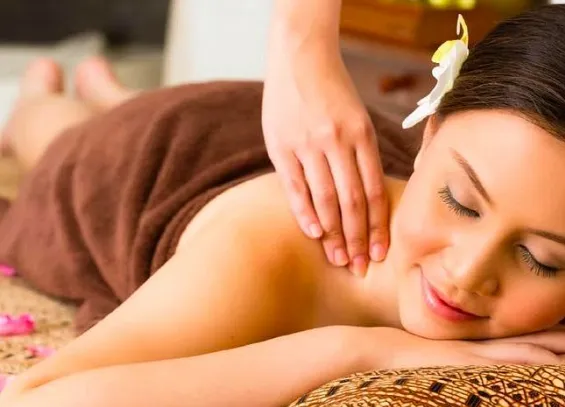
Thai Massage
Purpose:
To improve flexibility, energy flow, and overall well-being.
Techniques:
Combines acupressure, assisted yoga postures, stretching, and deep tissue pressure.
Benefits:
Increases flexibility, reduces muscle tension, improves energy flow, and promotes relaxation. It’s especially helpful for relieving joint stiffness and improving mobility.
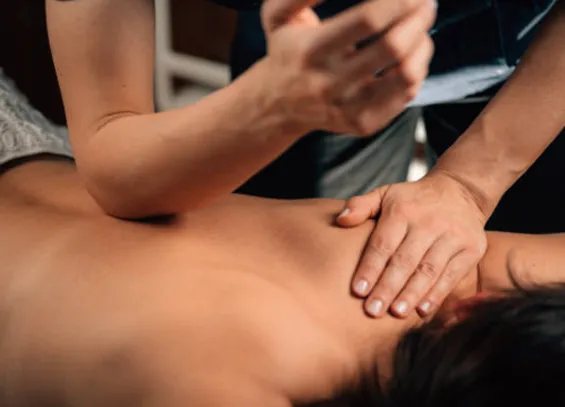
Deep Tissue Massage
Purpose:
To address chronic muscle tension and deeper layers of muscle.
Techniques:
Uses slower strokes and more intense pressure to target deep muscle layers and connective tissues.
Benefits:
Helps with chronic pain, muscle tightness, and tension. It’s effective for conditions like back pain, stiff necks, and postural issues.
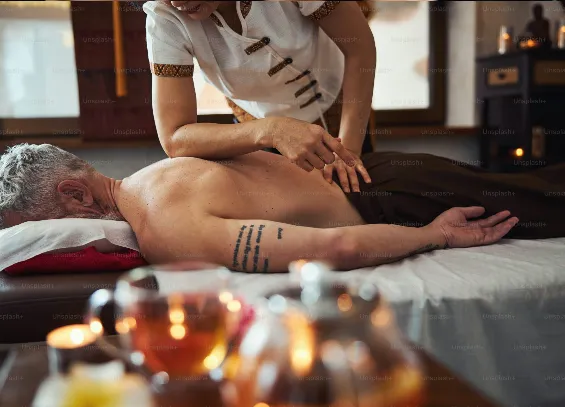
Swedish Massage
Purpose:
To relax the body and improve circulation.
Techniques:
Gentle, long strokes, kneading, and circular movements.
Benefits:
Reduces stress, improves flexibility, promotes relaxation, and increases blood flow. It’s often used for overall relaxation and reducing tension.
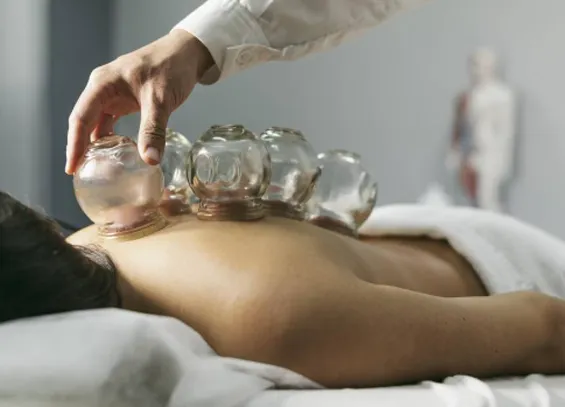
Cupping Therapy
Purpose:
To increase circulation and relieve muscle tension through suction.
Techniques:
Cups are placed on the skin and create suction to pull up the skin and tissues, often used in combination with massage.
Benefits:
Improves circulation, reduces muscle tightness, and promotes healing. It’s commonly used for pain management and muscle recovery.
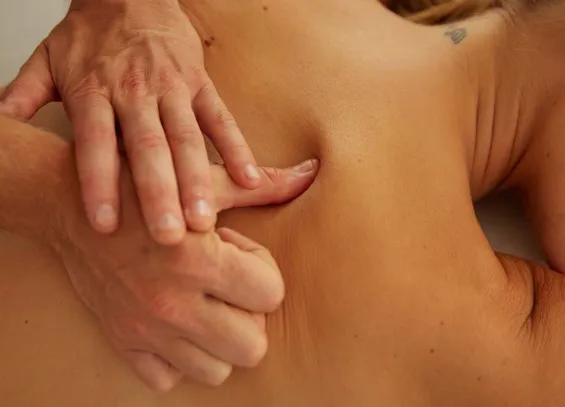
Trigger Point Massage
Purpose:
To treat specific muscle knots (trigger points) that cause pain and discomfort.
Techniques:
Direct pressure is applied to tight areas of muscle or connective tissue to relieve pain and muscle spasms.
Benefits:
Reduces chronic pain, relieves tension, and improves flexibility. It’s often used for conditions like tension headaches, back pain, and muscle stiffness.
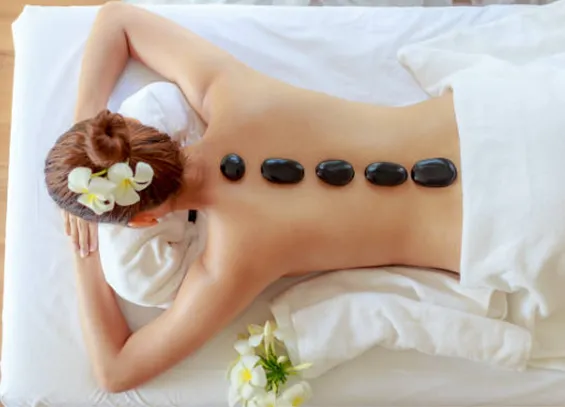
Hot Stone Massage
Purpose:
To relax and soothe the body with heated stones.
Techniques:
Heated stones are placed on specific points on the body, and the therapist may also use the stones to massage muscles.
Benefits:
Relieves muscle tension, promotes relaxation, improves circulation, and reduces stress.
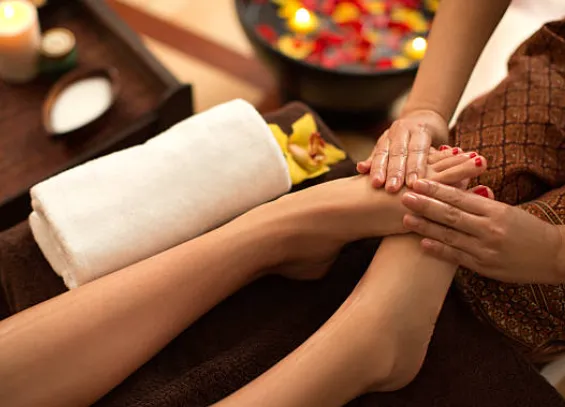
Reflexology
Purpose:
To promote relaxation and healing by stimulating pressure points on the feet, hands, or ears.
Techniques:
Pressure is applied to specific reflex points that correspond to different organs and systems in the body.
Benefits:
Helps reduce stress, improve circulation, and restore balance to the body. It’s also used for pain management and relaxation.
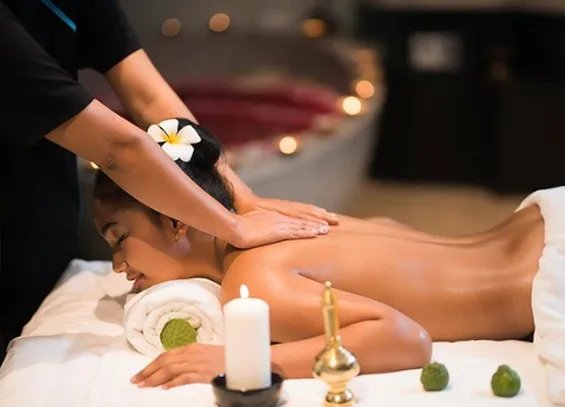
Aromatherapy Massage
Purpose:
To promote relaxation and improve emotional well-being using essential oils.
Techniques:
Light to medium pressure with the use of essential oils tailored to the client’s needs.
Benefits:
Reduces stress, improves mood, relieves anxiety, and promotes relaxation. The use of essential oils can also help with specific conditions, like insomnia or headaches.
Lymphatic Drainage Massage
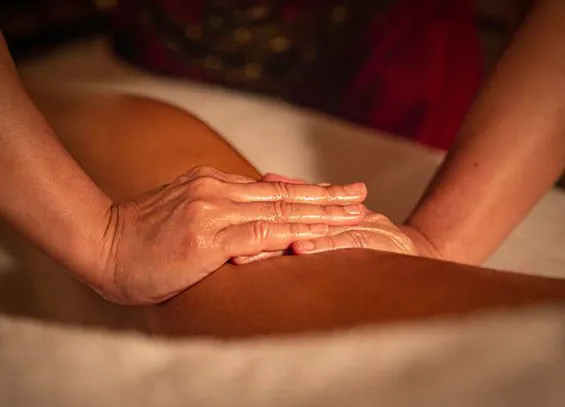
Purpose:
To stimulate the lymphatic system and promote the removal of toxins.
Techniques:
Gentle, rhythmic strokes and light pressure applied to encourage the movement of lymph fluid.
Benefits:
Reduces swelling, boosts the immune system, and detoxifies the body. It can be helpful for people with fluid retention, post-surgery recovery, or cellulite.
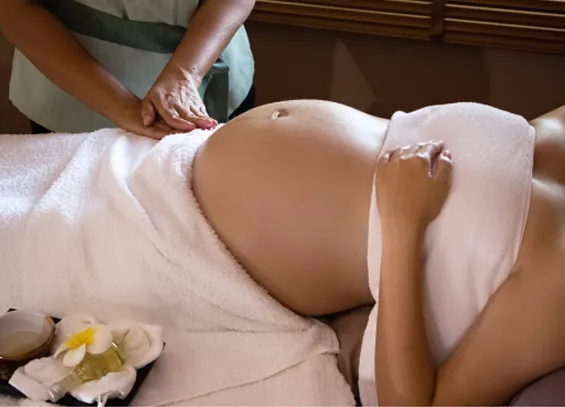
Prenatal Massage
Purpose:
To relieve discomfort during pregnancy and promote relaxation.
Techniques:
Gentle, nurturing strokes to reduce stress and tension, with special attention to areas that are particularly affected during pregnancy (such as the back, legs, and hips).
Benefits:
Reduces swelling, alleviates back pain, improves sleep, and reduces stress and anxiety for expectant mothers.
Red Light Therapy

Purpose:
A non-invasive treatment using red and near-infrared light to promote healing, reduce inflammation, and enhance cellular function.
Techniques:
LED or laser devices deliver light deep into the skin, stimulating collagen, circulation, and muscle recovery in short, painless sessions.
Benefits:
Improves skin health, reduces wrinkles, relieves pain, speeds up healing, and enhances overall well-being.
Each massage service has its unique techniques, goals, and benefits, tailored to specific needs such as pain relief, relaxation, recovery, or performance enhancement. Choosing the right type of massage depends on individual preferences, health concerns, and desired outcomes.
Our massage therapists are experienced and highly qualified, able to tailor the massage to suit your individual needs to get the very best results.
FREQUENTLY ASKED QUESTIONS
What conditions can your services help with?
Our massage therapies are designed to address a variety of issues, including:
- Chronic pain and tension
- Office Syndrome (postural stress and strain)
- Sports injuries and recovery
- Neck and shoulder pain
- Carpal Tunnel Syndrome
- General muscle tightness and mobility issues
How is remedial massage different from regular massage?
Remedial massage is a targeted treatment that focuses on diagnosing and addressing specific muscle or joint issues. Unlike relaxation massages, remedial therapy aims to relieve pain, correct dysfunction, and improve mobility.
What is Office Syndrome, and how can massage help?
Office Syndrome refers to the strain and discomfort caused by prolonged sitting, poor posture, and repetitive tasks. Our tailored massage treatments help relieve muscle tension, improve posture, and reduce pain associated with this condition.
Can massage therapy help with sports injuries?
Yes, our sports injury massages are designed to aid recovery, reduce soreness, and prevent future injuries. We use techniques that promote circulation, relieve muscle tension, and improve flexibility to keep you performing at your best.
THAI SPORTS MASSAGE
Hamilton Hill
150A Phoenix Rd, Hamilton Hill WA 6163, Australia
Company
Services
Services

Scan QR To Book Your Appointment